Because her birth date is unknown, I’m going to write about Araminta Ross, better known as Harriet Tubman, on the date of her death. The day that she was able to enjoy a hard-earned eternal rest.
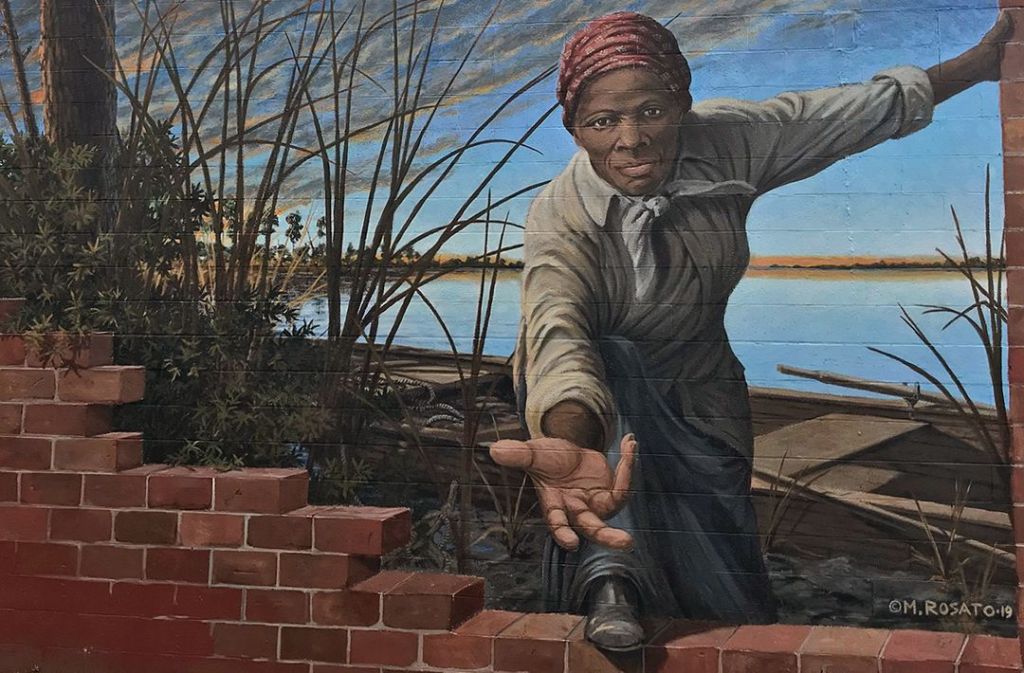
I’ve always been fascinated by Harriet Tubman and have always named her as the person whom I would want to meet if I could meet anyone, alive or deceased. She is phenomenal, and I wish people would take the time to research and learn all there is to know about her.
During the pandemic, I learned of a tour that people can take in Maryland to retrace a part of the path she used to guide enslaved people to freedom. I wanted so badly to take it, but it, of course, was suspended at the time. I still plan to do so.
While still living in DC, I would take Route 301 north to visit my friend in Delaware. It is a scenic ride. There are points along the ride when I could literally feel something in the air and I recall stopping before, wondering what I was feeling. I now know that I was in the midst of the Railroad. It is sacred land.
Some people won’t believe what I felt or still feel when I traverse that area; the streets that are renamed for John Brown and where Harriet was born and escaped. What I feel when I look at the dense woods that I can’t imagine running through in the cold and dead of night. Smell the fear and hunger of people risking their lives for a God-given right. But it doesn’t matter.
Harriet selflessly changed the lives of future generations of people through her guidance and leadership. She influenced the minds of many who could use their voices for change.
Harriet reflecting on the first time, she made it to free territory:
When I found I had crossed that line, I looked at my hands to see if I was the same person. There was such a glory over everything; the sun came like gold through the trees, and over the fields, and I felt like I was in Heaven.
 Mule of the World
Leave a comment